.avif)


Everything You Need to Know About SoftWave Therapy

Updated: Jun 25
SoftWave Therapy is an FDA-cleared, non-invasive treatment that uses gentle sound waves to stimulate the body's own healing, boasting a 60-91% success rate for chronic pain conditions like plantar fasciitis and tendonitis in quick, 10-20 minute sessions.

Key Takeaways
Is a safe, drug-free way to relieve pain, with 60-91% success for conditions like tendonitis or back pain, helping you move more easily and enjoy life without relying on medication.
The treatment is gentle, quick, and has no downtime. Sessions last 10-20 minutes, feel like a mild tingling, and you can resume your life immediately afterward.
It’s often cheaper. A full treatment plan typically costs $900-$3,000. While more affordable than PRP or surgery, most insurance plans still don't cover it.
Discover SoftWave Therapy for Pain Relief
Life with pain is hard. It slows you down, affects your mood, and makes even simple things harder to enjoy. That is why so many people today are looking for ways to heal that do not involve surgery or heavy medication.
One treatment that is getting a lot of attention is SoftWave Therapy.
It’s a gentle, non-invasive treatment that helps the body heal itself. In fact, a 2022 survey found that over 70% of healthcare providers now use it in their clinics every day, and nearly 78% say it works well for people with chronic pain.
After my first treatment, which only took 15 minutes, and didn't hurt at all, I came out of the room showing off to my wife and everyone around me how I was able to move my shoulder again in a circle for the first time in ages! I could not believe it. I recommend this treatment to everybody. It beats surgery that's for sure. Roger, Stram Center for Integrative Medicine
According to SoftWave Clinics, success rates for many pain conditions range from 60% to 91%, which helps explain why more patients are giving it a try.
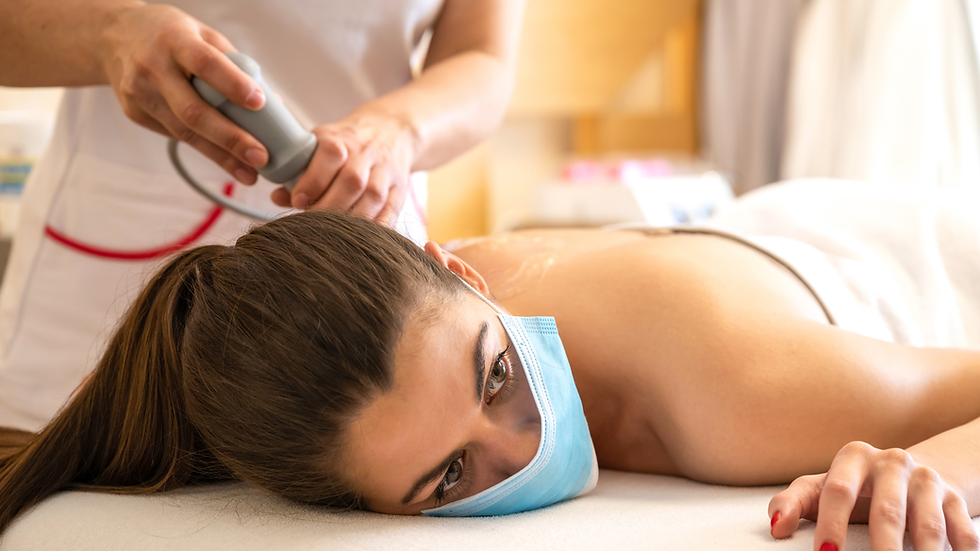
The interest is not just local. People all over the world are turning to therapies like SoftWave, and its use is growing fast because it's delivering real results. Clearly, this type of treatment is here to stay.
What Is SoftWave Therapy?
It is a type of shockwave therapy, which is a medical treatment that uses gentle sound waves to help the body repair itself.
Think of these waves as tiny vibrations of energy. These vibrations travel deep into your tissue, waking up your body's natural healing cells and boosting blood flow to ease pain and repair damage.
It's good to know that shockwave therapy comes in different forms:
Focused shockwave therapy targets a very specific area deep in the tissue.
Radial shockwave therapy covers a wider surface area with lower energy.
SoftWave Therapy, sometimes called SoftWave TRT (Tissue Regeneration Therapy), is a special kind of broad-focused electrohydraulic shockwave therapy.
In simpler terms, it sends gentle waves of energy into the body through water, which helps activate the cells that repair tissue and improve circulation.
Because the waves spread over a larger area, most people find the treatment more comfortable than older forms of shockwave therapy.
It is important to note that SoftWave Therapy is not the same as Sofwave. Sofwave is a cosmetic ultrasound treatment for skin tightening and facial rejuvenation, while SoftWave Therapy is mainly used to relieve pain, support injury recovery, and promote tissue healing.
Conditions Treated with SoftWave Therapy
The therapy is commonly used to help the body heal, relieve pain, and support recovery from injuries. Its applications are particularly strong in musculoskeletal and orthopedic conditions.
Musculoskeletal and Orthopedic Uses
It is often recommended for conditions affecting muscles, tendons, ligaments, and joints. Some of the most common uses include:
Tendinopathies, such as Achilles tendonitis, patellar tendonitis, rotator cuff injuries, and tennis elbow
Plantar fasciitis, a frequent source of heel pain
Joint pain and osteoarthritis, where it can help improve mobility and reduce discomfort
Back pain and disc-related problems, offering a non-surgical option for relief
Ligament injuries, scar tissue, and a broken bone that didn’t heal, supporting the body’s natural repair processes
Sports injuries and overuse syndromes, helping athletes recover faster and reduce downtime
It's really effective for your patients. I use it as part of my post-operative regime as well as players will use it before play, during half-time and after for quicker recovery. From plantar fasciitis and tendinitis to stress fractures for bone healing, it works. Dr. Martin O'Malley, Orthopedic Surgeon at Hospital for Special Surgery (HSS) and Team Orthopedist for the Brooklyn Nets and NY Giants.
Regenerative and Tissue Repair Applications
Beyond pain relief, the therapy can stimulate regenerative processes in the body. By increasing blood flow and activating cells that repair tissue, it can assist in healing soft tissue injuries and supporting recovery after trauma or surgery.
It is a good option for patients who want to treat the root cause of pain or injury instead of just masking symptoms.
What to Expect During Treatment
A standard SoftWave Therapy session lasts 10 to 20 minutes, during which a clinician applies a specialized wand and ultrasound gel to deliver 2,000 to 4,000 acoustic energy pulses directly into the injured tissue.
Things That Make Treatment Unsafe
Pregnancy.
Active cancer in the area being treated.
Devices in your body like pacemakers or nerve stimulators.
Problems with blood clotting or if you take blood thinners.
Skin problems like infections, open wounds, or sores.
Recent skin treatments like retinoids (especially on the face).
Getting Ready
If the check is good, setup is easy and quick. The doctor cleans your skin, puts on a gel to help the sound waves work well, and gets you in a comfy position.
During the Session
Sessions are simple:
They take 10 to 20 minutes.
The machine sends pulses that the doctor can change (often 2,000 to 4,000) at levels that fit your comfort and health.
The doctor moves the tool softly over your skin.
You might feel a soft tingle or warmth.
Side Effects and Risks
Most people have no big problems. Here's what could happen:
Common ones: Red skin, a little swelling, soreness, or tingling for a short time. These go away in 24 to 48 hours.
Rare ones: Blisters, changes in how skin feels or looks, sores, or infection. These almost never happen.
After Treatment
You recover right away and can do your usual things. Drink lots of water to help healing. Skip hard exercise for 24 hours if your doctor says so.
Usual Plan
Your treatment plan will be personalized, but here is a typical schedule that works well:
Most have 6 to 12 sessions.
Sessions happen 3 to 7 days apart.
In short, the treatment is a quick, gentle process designed for your safety and comfort, with immediate recovery and a clear path to results.
When ill-fitting work shoes left me with continuous heel pain and difficulty walking, I found relief... Thanks to SoftWave therapy and a personalized treatment regimen, I was able to get back to my daily routine, free from pain. Kenny, Central Kansas Podiatry Associates
SoftWave vs. Other Options
Here's a table summarizing how it compares to focused shockwave, PRP injections, steroid injections, and surgery, based on key factors like invasiveness, effectiveness, and recovery.
Treatment | Procedure | Speed of Relief | Recovery & Risks | Best For |
|---|---|---|---|---|
Non-invasive | Fast (1-2 sessions) | No downtime; mild side effects | Chronic pain, gentle healing | |
Focused Shockwave | Non-invasive | Moderate (multiple sessions) | Some soreness; may bruise | Deep, specific issues |
PRP Injections | Injection-based | Slow (weeks to work) | 1-3 days rest; injection pain | Tissue regeneration |
Steroid Injections | Injection-based | Fast but temporary | Tissue damage over time | Short-term relief only |
Surgery | Highly invasive | Slow with recovery | High risk; weeks of downtime | Last resort for severe damage |
Does It Really Work?
Studies show good results for problems like back pain and knee issues. One big review from 2023 looked at over 600 people. It found the therapy cut pain and helped back movement better than other methods.
Another study on knee pain said it is safe and works well to ease hurt and improve how the knee works.
Clinics say 65% to 91% of people get better. Many feel less pain after the first visit. Full healing, like easier moving, takes 6 to 12 weeks.
After 9 sessions on my lower back, the swelling went down a lot. I can sleep without pain now. I tell everyone to try it!" Many report better daily life, like walking or sports, with help lasting up to a year. Mary Kay Zabek
Evidence shows it helps many people, but talk to your doctor to better understand it and see if it's right for your condition.
Cost & Insurance
Factor | What to Expect |
|---|---|
Cost Per Session | |
Total Treatment Cost | Most treatment plans cost $900–$2,400, with some reaching $3,000+ |
Number of Sessions | Usually 6–12 sessions depending on the condition |
Cost Variations | Prices are often higher in major cities and lower in smaller markets |
Factors Affecting Cost | Treatment area size, number of sessions, device type, clinic location, and provider experience |
Insurance Coverage | Most insurance plans do not cover SoftWave therapy |
Possible Exceptions | Some insurers may offer limited coverage for chronic pain or specific medical circumstances |
Recommendation | Verify coverage, pre-authorization requirements, and out-of-pocket costs with your insurer before starting treatment |
Comparison to Other Treatments
Treatment | Typical Cost | Notes |
|---|---|---|
SoftWave Therapy | $900–$3,000 (full plan) | No downtime; budget-friendly |
PRP Injections | $500–$2,000 per injection | Often repeated |
Stem Cell Treatments | $5,000–$10,000 per shot | Invasive; may require multiple |
Surgery | $20,000+ | Plus recovery costs |
When compared, SoftWave Therapy offers a non-invasive and cost-effective path to healing without the high cost or downtime of other procedures.
Softwave Therapy Near me
If you're looking for therapy providers close to you, a great place to start is a verified Shockwave directory. It's a curated list of healthcare professionals who offer all types of Shockwave treatments and similar therapies.

How to Choose a Provider
Picking the right place is key to good results.
What to Look For in a Qualified Provider
Training and certification: Choose doctors or therapists certified in shockwave therapy, like those trained by SoftWave or similar groups.
Experience: Go for providers with years of practice and many successful cases in your condition, such as back pain or tendon issues.
Finding a reliable expert provider can make all the difference. Focus on their certification, experience, and track record to get the best care.
Final Thoughts
Chronic pain affects millions of people worldwide, impacting daily life for so many. The good news is that many people are now finding relief with treatments like SoftWave Therapy.
This non-invasive treatment stands out for managing pain and promoting healing without the risks of surgery or heavy medications.
From its ability to treat conditions like tendonitis, back pain, and joint issues with minimal side effects and quick recovery, it's clear why this therapy is gaining popularity globally.
Studies and real patient stories show high success rates, often 65-91%, with lasting relief that can improve daily life.
While costs range from $900 to $3,000 for a full plan and insurance coverage is limited, it's often more affordable than alternatives like PRP or surgery.
FAQs
How many sessions will I need?
Most people need 6 to 12 sessions. It depends on your condition, like pain type or injury. Many start with weekly treatments for 3 to 5 weeks. Your doctor will make a plan just for you.
Is it painful?
No, it's usually not painful. You might feel a mild tingle or warmth during the 5 to 10 minute session. It's gentle, and the provider can adjust it to keep you comfy. Any soreness after is light and goes away fast, like in a few hours.
When will I feel results?
Many feel better after the first session, with less pain right away. Full results, like better movement and healing, take 6 to 12 weeks as your body fixes itself. Improvements build over time.
Can it be used alongside other therapies (PT, injections, etc.)?
Yes, it works well with other treatments like physical therapy, injections, or rehab. It's often used to help after surgery or with ongoing care. Talk to your doctor to mix it safely.
Are results permanent?
Results are made to last long, like months to years, because it helps your body grow new blood vessels and heal. But it depends on your condition. Some may need touch-up sessions later.
Can insurance pay for it?
Most insurance does not cover it yet, as it's seen as new. You usually pay yourself, about $150 to $250 per session. But some plans in 2025 might help for chronic pain—check with your policy.
What if it doesn’t work?
If it doesn't help, your doctor can try other options like different therapies or check why. It's backed by studies, but results vary. Many clinics offer consults to see if it's a good fit first.
External Links
SoftWave Official Website: The manufacturer's site provides detailed information on the science behind the technology, clinical evidence, and a directory to find certified providers.
Clinical Study on PubMed: A 2021 systematic review published in a peer-reviewed journal examining the effectiveness of shockwave therapy for musculoskeletal conditions.
Video Demonstration: A YouTube video showing a real SoftWave therapy session, giving you a visual understanding of the treatment process.
FDA Databases: To research the clearance of medical devices like SoftWave, you can search the U.S. Food and Drug Administration's (FDA) public databases.


