Search Results
124 results found with an empty search
- Why You Must Meditate if You Have Erectile Dysfunction
Did you know that about 20% of men struggle with erectile dysfunction because of psychological issues like stress, anxiety, and depression? Mindfulness meditation can help tackle psychological erectile dysfunction. By lowering stress and anxiety, it boosts mental health and, in turn, improves sexual performance. You know what the best part of having erectile dysfunction is? It is 100% curable with a bit of discipline and lifestyle change. Understanding Psychological Erectile Dysfunction Psychological erectile dysfunction (ED) is when a man has trouble achieving or keeping an erection due to psychological factors rather than physical ones. Unlike physical ED, which comes from health issues like diabetes or heart disease, psychological ED is tied to mental and emotional well-being. Causes Stress: Daily stressors, such as work pressure, money problems, or personal conflicts, can hurt sexual performance. Anxiety: Worries about sexual performance or fear of failure can prevent an erection. Depression: Depression can lower sexual desire and make it hard to maintain an erection. Relationship Issues: Lack of communication, unresolved conflicts, or emotional distance in a relationship can lead to ED. Guilt: Guilt about sexual activity, like infidelity or moral concerns, can affect erectile function. Low Self-Esteem: Men who doubt their sexual abilities or attractiveness may struggle with sexual performance. Trauma: Past sexual trauma or abuse can create psychological barriers to normal sexual function. The Link Between Stress, Anxiety, and Erectile Dysfunction Stress and ED When you're stressed, your body releases hormones like cortisol and adrenaline. These hormones put your body in "survival mode," making you ready to run or fight but not reproduce. This reduces blood flow to the penis, making it hard to get or keep an erection. Constant stress can also worsen health issues like heart disease, which can lead to erectile dysfunction. Anxiety and Performance Feeling anxious about sex can also be a problem. If you've had bad experiences before or worry you won't do well, this anxiety can take over. It triggers your body's stress response, which again sends blood away from the penis, making erections difficult. For example, when your body is in stress mode, it's focused on survival, not reproduction. This means being relaxed is really important for performing well sexually. How Mindfulness Meditation Helps overcoming ED Studies show that mindfulness can help with erectile dysfunction (ED). One study found that men who practiced mindfulness had more desire, better arousal, and more satisfaction. Another study showed that 9 out of 10 men with anxiety-related ED got better after practicing mindfulness for four weeks. This shows that mindfulness can help improve erections by reducing anxiety and stress. Mindfulness Basics Mindfulness means paying attention to what's happening right now without judging it. Mindfulness meditation is when you focus on your breathing or what your body feels like to stay present. How It Works Mindfulness helps lower stress and anxiety, which can cause problems with erections. When you're stressed, your body releases hormones like cortisol and adrenaline. These hormones tighten blood vessels and reduce blood flow to the penis. Mindfulness lowers these hormones, helping you relax and improving blood flow. Practicing mindfulness regularly can help your brain handle stress and emotions better. Practical Mindfulness Techniques for ED Guided Meditations These are like listening to a story that helps you relax and feel less stressed. There are special ones that help you focus on your breathing and body. Apps like Insight Timer have many guided meditations that can help you feel calm and ready for intimacy. Breathing Exercises Simple ways to breathe that help you relax. One way is to sit or lie down, breathe in deeply through your nose so your tummy rises, and then breathe out slowly through your mouth. Another way is the 4-7-8 breath: breathe in for 4 seconds, hold your breath for 7 seconds, and breathe out for 8 seconds. These exercises help you stay calm and improve blood flow. Another alternative would be to try the famous Wim Hof Breathing technique to reduce your erectile dysfunction. Body Scans This means paying attention to different parts of your body, one by one, from your toes to your head. You notice how each part feels and try to relax it. This helps you feel more relaxed overall and less anxious. These techniques can help reduce stress and anxiety, making it easier to perform sexually. Studies show that regular practice of these mindfulness exercises can significantly improve relaxation and reduce the stress that affects sexual performance. Creating a Mindfulness Routine Daily Practice Morning Routine: When you wake up, pay attention to what you're doing. Notice how your toothbrush feels, or how the water sounds when you wash your face. Mindful Eating: While eating, think about how your food tastes, smells, and feels. This helps you enjoy your meal more. Mindful Commuting: Whether you're walking, riding a bike, or in a car, pay attention to your surroundings and your breathing. This makes the trip more relaxing. Mindful Waiting: When you wait in line, focus on your breathing or look around without thinking about other things. This helps you stay calm. Bedtime Routine: Before you sleep, spend a few minutes focusing on your breath to help you relax. Combining Techniques Breathing Exercises and Body Scans: Start by taking deep breaths to calm down, then slowly focus on different parts of your body to relax each one. Guided Meditations and Yoga: Listen to a guided meditation to clear your mind, then do some gentle yoga stretches to relax your body. Mindful Movement: When you walk or exercise, pay attention to how your body moves and how you feel. This makes the activity more enjoyable and relaxing. These simple practices can help you feel less stressed and more relaxed every day. Studies show that doing mindfulness exercises regularly can make a big difference in how you handle stress and feel overall (3D Success) (Headspace) (PositivePsychology.com). Real-Life Success Stories Case Study 1: Ten men with erectile dysfunction (ED) due to stress and anxiety joined a four-week program. They learned about ED, received counseling, and practiced mindfulness meditation every day. By the end, most men saw big improvements in their erections. Case Study 2: In another study, men with situational ED practiced mindfulness meditation daily for four weeks. They reported feeling less anxious and having better sexual performance. Case Study 3: At Fusion Wellness PT, 9 out of 10 men with anxiety-induced ED improved after practicing mindfulness for four weeks. They felt less anxious and their sexual performance got better. These stories show that mindfulness meditation can help reduce stress and anxiety, making it easier to get and keep an erection. Practicing mindfulness regularly can make a big difference in managing ED and improving your overall well-being (Psychology Today) (Fusion Wellness PT) (MHC | Leaders in Men's Health) (Local Counselling Centre). Conclusion Mindfulness meditation can help with psychological erectile dysfunction (ED) by reducing stress and anxiety. It helps you relax, focus better, and improve your overall sexual health. Studies show that practicing mindfulness regularly can make a big difference in managing ED and feeling better mentally and physically. Start practicing mindfulness meditation today and see the benefits for yourself. It can help you feel calmer, less anxious, and improve your sexual performance. Try it and notice the positive changes in your life. Frequently Asked Questions About Meditation and Erectile Dysfunction What is psychological erectile dysfunction? Psychological erectile dysfunction (ED) happens when stress, anxiety, or other mental health issues make it hard to get or keep an erection. It's different from physical ED, which is caused by health problems like diabetes or heart disease. How long does it take to see improvements with mindfulness meditation? Many people start to see improvements in their stress and anxiety levels within a few weeks of regular mindfulness practice. For erectile dysfunction, some studies have shown significant improvements after four weeks of daily mindfulness meditation. Can mindfulness meditation be combined with other treatments for ED? Yes, mindfulness meditation can be used alongside other treatments like therapy, medication, and lifestyle changes. Combining these approaches can often lead to better results. Is mindfulness meditation difficult to learn? Mindfulness meditation is simple to learn but can take some practice to get used to. Start with short sessions, like 5-10 minutes a day, and gradually increase the time as you become more comfortable. Are there any apps or resources to help me get started with mindfulness meditation? Yes, there are many apps like Headspace, Insight Timer, and Calm that offer guided meditations and mindfulness exercises to help you get started. Can mindfulness meditation help with other mental health issues? Yes, mindfulness meditation can help with a range of mental health issues, including anxiety, depression, and stress. It helps by improving focus, reducing negative thoughts, and promoting relaxation. Do I need a quiet place to practice mindfulness meditation? While a quiet place can be helpful, you can practice mindfulness anywhere. The key is to focus on your breathing and stay present in the moment, even if there are distractions around you. What should I do if I don't see improvements with mindfulness meditation? If you don't see improvements after a few weeks, consider seeking help from a therapist or healthcare provider. They can offer additional strategies and support to help you manage erectile dysfunction. Resources Mindfulness Meditation for Erectile Dysfunction - Local Counselling Centre How Mindfulness Can Help with Erectile Dysfunction - Fusion Wellness PT Mindfulness and Erectile Dysfunction - YouTube Video How Stress Creates Erectile Dysfunction - Mindfulness Exercises Mindfulness Meditation for Erectile Dysfunction - Between Us Clinic PubMed Study on Mindfulness and Erectile Dysfunction
- Sadhguru's Guide to Just 4 Hours of Sleep
Key Concepts for Sleeping Less Food as Fuel Sadhguru stresses that food should be considered primarily as fuel for the body, not as a cultural or religious element. Dietary Impact on Body Functioning: The right kind of food helps the body function with minimal internal struggle and maximum efficiency. Different types of foods can cause varying levels of inertia, affecting the body's natural activity levels and sleep patterns. Dietary Guidelines Proper Chewing and Digestion: Chewing food thoroughly is crucial as it enhances digestion and nutrient absorption, starting from the mouth where enzymes begin breaking down carbohydrates. Raw and Live Foods: Consuming 40-50% of food in its raw form can improve mental focus and reduce sleep needs, as raw foods are "alive" and more beneficial for the body. Vegetarianism vs. Meat Eating Human anatomy suggests a natural inclination towards herbivorism. Sadhguru argues that the complexity of animal proteins can be difficult for the body to fully integrate, suggesting simpler genetic codes of plants are more suitable. Practical Tips for Students Focus and Energy Students need balanced energy for concentration, especially when dealing with uninteresting subjects. Foods classified as 'sattva' in the yogic diet promote this balance. Avoiding foods that cause inertia helps maintain alertness and reduces the need for excessive sleep. Dietary Choices: Integrate fresh fruits, vegetables, nuts, and sprouts into the diet to enhance cognitive functions and overall energy levels.
- Why Tony Robbins Swears by CVAC Therapy
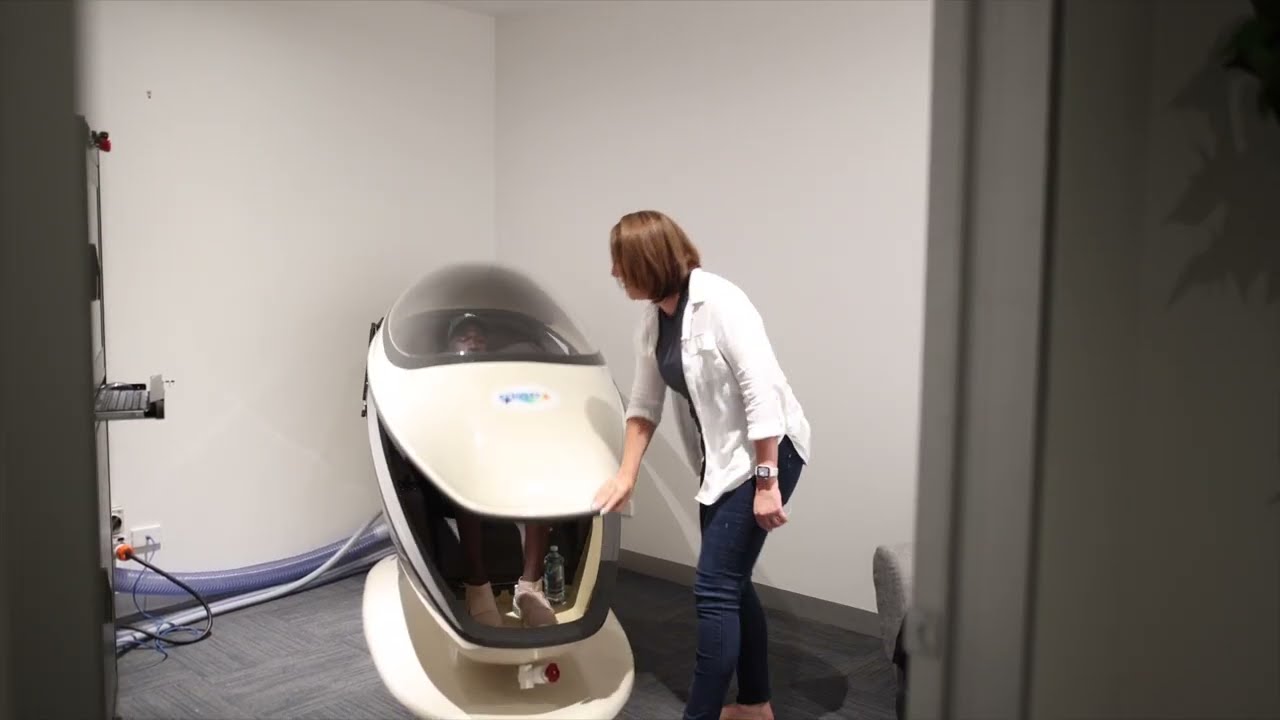
Have you ever wondered how high achievers maintain their health, vitality, and sheer endless energy? The secret might be less about traditional workouts or diets and more about innovative health technologies. One such technology that has gained attention, especially from world-renowned life coach Tony Robbins, is CVAC therapy. But what exactly is CVAC, and why is it becoming a buzzword in health and wellness circles? What CVAC Is Based On To improve health, CVAC (Cyclic Variations in Altitude Conditioning) creates conditions like those found high up in the mountains, where the air has less oxygen. We mean places that are at least 5,000 feet above sea level, where oxygen levels are much lower, when we talk about altitude in this case. At its core, CVAC treatment isn't just about imitating conditions at high altitude; it's also about using the body's natural reaction to these conditions to improve health as a whole. Professional athletes have been using the idea of training at high elevations to get better for a long time. As a result of training at high altitude, a hormone called erythropoietin (EPO) levels rise by about 48%. This makes more red blood cells and makes you fitter. This device changes the air pressure around you to trick your body into thinking it is in different places. At higher elevations and thinner air, your body makes more red blood cells and works better. Studies have shown that athletes can really do better when they are introduced to these situations on infrequent basis. Utilizing CVAC has more advantages besides just improving athletic ability. It can help your body make new blood vessels, use sugar better, and lower swelling, according to the company. How CVAC Works: Getting Your Body Ready As part of the CVAC process, people sit in a pod that changes the air pressure on a regular basis. This makes it feel like they are going up and down different elevations. This change in pressure over time is what makes CVAC work. In static high-altitude training, the body gets used to a single, steady amount of less oxygen. CVAC's rhythmic changes, on the other hand, keep the body wondering and adjusting. In a unique way, this constant response speeds up the body's natural processes. Low Oxygen Levels at High Elevations When the body is at high elevations, the lower oxygen levels cause it to change in a number of ways. The heart and lungs have to work harder to get the brain and muscles the air they need. This can change the body in many ways over time. For example, it can cause more red blood cells, which help the body carry oxygen more effectively. CVAC's Way of Adapting to High Altitudes Because of these natural changes, CVAC has built a controlled setting that can mimic elevations from sea level to 22,500 feet. Rapid changes in altitude not only make it hard for the body to get used to different oxygen levels, but they also cause more mitochondria to be made. Mitochondria are the powerhouses of cells and are essential for making energy and keeping the metabolism healthy. By introducing the body to these rhythmic changes, CVAC treatment helps the body use air more efficiently. In other words, the body learns to get more done with less, which improves how cells receive and use oxygen. The result is a chain reaction of health and energy benefits that go far beyond better sports performance. These benefits are important for everyone, no matter how fit they are or what kind of lifestyle they live. Benefits of CVAC Increased Oxygen Uptake Boost in Red Blood Cell Production: Overall Health Improvement Enhanced Energy Conversion Improved Conversion of Oxygen to Energy Impact on Vital Organs Faster Recovery and Reduced Inflammation Aids in Recovery Post-Exertion Reduces Inflammation and Pain Improved Stamina and Alertness Increased Stamina Boost in Alertness Better Sleep Quality and Workout Effectiveness Potential Benefits on Sleep Patterns Enhanced Workout Results In essence, the benefits of CVAC therapy are wide-ranging and impactful, touching on key areas of health, wellness, and performance. Whether you're seeking to enhance physical performance, recover more effectively from exertion, or simply improve your overall vitality, CVAC offers a promising and innovative solution. Who Can Benefit from CVAC? Many people think that CVAC (Cyclic Variations in Altitude Conditioning) therapy is only good for athletes or very active people. However, research and clinical observations have shown that its benefits are not limited to improving athletic performance. Instead, CVAC therapy can help a wide range of people. For Athletes Studies indicate that altitude training, similar in principle to CVAC, can improve athletic performance through enhanced erythropoiesis, leading to an increased red blood cell count (Gore et al., 2007). While CVAC utilizes a different method by simulating altitude changes within a short period, it’s theorized to stimulate similar physiological adaptations (Levine and Stray-Gundersen, 2005). For Chronic Disease Management Emerging research has explored the potential benefits of altitude conditioning in managing chronic diseases. For instance, a pilot study suggested improvements in the glycemic control of patients with type 2 diabetes, highlighting CVAC’s role in possibly managing this condition (Mackenzie et al., 2011). Moreover, another area of interest is its application in cardiovascular health. The intermittent hypoxia (IH) conditioning, a component of CVAC, has been shown to improve myocardial ischemia (a condition characterized by reduced blood flow to the heart), suggesting potential cardiovascular benefits (Serebrovskaya et al., 2008). For General Wellness and Aging Beyond disease management and athletic performance, CVAC might offer benefits in the realm of general wellness and the aging process. Theoretic frameworks and limited studies suggest that intermittent hypoxia, akin to what occurs during CVAC sessions, may enhance mitochondrial efficiency and promote cellular adaptations conducive to health and longevity (Navarrete-Opazo and Mitchell, 2014). These adaptations include improved antioxidant status and potentially decreased inflammation, markers that are often associated with better health outcomes and delayed aging (Manukhina et al., 2016). Conclusion When it comes to health and energy, CVAC treatment stands out as a leader in cutting-edge concepts. It uses simulated altitude training to improve health in a new way. This treatment takes advantage of the body's natural ability to adapt to changing oxygen levels to make the benefits of altitude training more widespread than just those found in high-performance sports. The research on CVAC treatment shows that it can greatly improve many health results, such as increasing the body's ability to absorb oxygen and run its metabolism more efficiently, reducing inflammation, and speeding up recovery. It can be used with a wide range of people, which shows that everyone wants to be healthier and more energetic. This makes CVAC a useful tool for modern health. FAQ Section What is CVAC? CVAC (Cyclic Variations in Altitude Conditioning) is an innovative therapy designed to enhance health and vitality by exposing the body to simulated high-altitude conditions. Through a process of cyclic altitude changes, CVAC aims to improve the body's oxygen uptake and utilization, offering a host of health benefits. How does CVAC enhance health and vitality? CVAC therapy enhances health and vitality by training the body to adapt to reduced oxygen levels, similar to those found at high altitudes. This adaptation process promotes increased red blood cell production, improved oxygen delivery to tissues, and enhanced metabolic efficiency, leading to improved physical performance, faster recovery, reduced inflammation, and increased overall well-being. Who can benefit from CVAC therapy? A wide range of individuals can benefit from CVAC therapy, not just athletes or those with an active lifestyle. It's suitable for anyone looking to improve their metabolic health, increase stamina and alertness, achieve faster recovery from physical exertion, and enhance overall vitality and well-being, regardless of their current fitness level or physical condition. How to prepare for a CVAC session? To prepare for a CVAC session, it's important to learn ear-clearing techniques to manage pressure changes comfortably. Choosing a certified and experienced practitioner is also crucial to ensure the safety and effectiveness of the therapy. Additionally, wearing comfortable clothing and approaching the session with an open mind and readiness to experience new sensations will enhance the overall experience. What are the additional benefits of CVAC therapy on overall wellness? Beyond the primary benefits of improved oxygen uptake and physiological efficiency, CVAC therapy can offer additional wellness advantages, including better sleep quality, enhanced effectiveness of workouts, and potential improvements in metabolic health. When integrated into a holistic health and wellness strategy, CVAC therapy can significantly contribute to achieving optimal health outcomes. Resources BHR Center: CVAC Hypobaric Chamber - Discover the benefits of CVAC at the Beverly Hills Rejuvenation Center and understand how the hypobaric chamber can boost your health. Just Hope Healing Center: CVAC Pod - Explore how the CVAC pod at Just Hope Healing Center can aid in your wellness journey through adaptive conditioning. 8th Element Wellness - 8th Element Wellness provides an innovative approach to health and recovery through their services, including CVAC therapy. Lokahi Wellness: CVAC Therapy - Lokahi Wellness in Australia offers CVAC therapy among their services, aimed at improving overall well-being through adaptive conditioning. Chiropractic Wellness: CVAC Cellular Fit Pod - Learn about the CVAC Cellular Fit Pod at Chiropractic Wellness and how it can contribute to your health and fitness goals.
- Does drinking tea or coffee hinder the process of spiritual enlightenment?
Spiritual enlightenment is a profound realization or awakening to the true nature of reality, often achieved through meditation. This state involves transcending ordinary experiences and perceptions, seeking a deeper understanding of one’s inner self and the universe. While caffeine can enhance alertness, which might seem beneficial for meditation, it also has the potential to disrupt the natural calm and focus that meditation seeks to cultivate. Understanding Caffeine and Its Effects What is Caffeine? Caffeine is a natural stimulant found in coffee, tea, some soft drinks, and chocolate. It's one of the most widely consumed substances globally, primarily because of its effects on enhancing alertness and reducing feelings of tiredness. Chemically, it is known as a xanthine alkaloid, which notably enhances stimulation of the central nervous system. How Caffeine Affects the Brain Caffeine operates by blocking the action of adenosine, a brain chemical involved in sleep. When caffeine blocks adenosine, it increases neuronal firing in the brain. This triggers the release of other neurotransmitters like dopamine and norepinephrine that improve mood, reaction time, and mental function. Thus, caffeine helps maintain alertness and can significantly reduce the feeling of being tired. Caffeine’s Impact on Meditation Practices In the U.S., we drink over 500 million cups of coffee every day. Coffee seems like a harmless habit, but it has its downsides which aren’t widely discussed, possibly because it's a huge industry. I’ve tried to quit a few times, realizing each time how quickly one cup escalates to more just to feel awake. Deciding to stop, I faced the usual withdrawal—headaches and fatigue—but getting through that, I felt a lot better without relying on that daily boost. Caffeine and Mindfulness Caffeine increases alertness which can hinder the ability to achieve calm and focus during mindfulness and meditation. This stimulant reduces the brain's adenosine levels, which normally help promote relaxation. Consequently, meditation practitioners often find it difficult to reach deep relaxation or maintain stillness, crucial for effective meditation. This effect is backed by both studies and personal reports from individuals who practice meditation. Those sensitive to caffeine might need to avoid it to preserve the quality of their meditation sessions. Spiritual Enlightenment and Stimulants The Philosophy of Spiritual Practices Spiritual practices typically aim for purity and minimal external influences to deepen inner clarity and promote enlightenment. Spiritual leaders often stress the importance of reducing sensory distractions to enhance spiritual growth. Stimulants and Their Role in Spiritual Practices Stimulants like caffeine can disrupt the tranquility essential for spiritual practices by heightening physical alertness which conflicts with the goal of achieving a peaceful and present state of mind. This discrepancy can hinder deeper spiritual experiences. How to Overcome Caffeine Addiction Reduce Gradually: Cut down your caffeine intake slowly each week to ease withdrawal symptoms. Choose Low-Caffeine Alternatives: Switch to beverages with lower caffeine content such as herbal teas or decaf coffee. Increase Water Intake: Drinking more water can help reduce withdrawal symptoms and decrease dependence on caffeine. Maintain a Balanced Diet: Eating a healthy diet helps stabilize energy levels naturally. Exercise Regularly: Physical activity boosts overall energy and mood, which can lessen the need for caffeine. Prioritize Sleep: Getting sufficient rest reduces the need for caffeine to stay alert. How to Stay Motivated and Happy Without Caffeine Exercise Regularly: Physical activity boosts endorphins, enhancing mood and energy. Stay Hydrated: Drinking water throughout the day helps maintain energy and cognitive function. Eat Well: A balanced diet with fruits, vegetables, and proteins provides sustained energy and stabilizes mood. Prioritize Sleep: Consistent, quality sleep improves energy levels and mood. Practice Mindfulness: Techniques like meditation can reduce stress and enhance well-being. Socialize: Engaging with others can lift spirits and provide emotional support. Create a Routine: Structured daily activities can help maintain motivation. Use Natural Supplements: Consider vitamins and herbal supplements for an energy boost. Get Sunlight: Exposure to natural light can improve alertness and mood. 11 Best Caffeine Alternatives Cacao: Contains compounds like theobromine and phenylethylamine, which can boost mood and energy. Chili: Contains capsaicin, triggering the release of endorphins for a mood-boosting effect. Ginseng Tea: Enhances mental performance and physical stamina. Peppermint Tea: Improves alertness and aids digestion. Hibiscus Tea: Rich in antioxidants, offers a refreshing taste and energy boost. Mushroom Tea (Reishi, Lion’s Mane): Supports focus and cognitive function. Ginger Tea: Reduces inflammation and aids in digestive health. Protein Shakes: Sustained energy from high protein content. B Vitamins: Vital for energy production, especially B12 for mood enhancement. Nuts: Balanced source of carbs, fat, and protein for extended energy. Berries: Natural sugars and fiber for a quick and sustained energy boost. How can I quit caffeine? Here’s a concise guide on how to quit coffee: Track Your Intake: Note how much coffee you drink daily. Reduce Gradually: Cut back slowly, reducing your intake by half a cup or a cup each week. Use Alternatives: Substitute regular coffee with decaf, herbal tea, or other low-caffeine options. Increase Water: Drink more water to ease withdrawal symptoms like headaches. Eat Well: Maintain a balanced diet to stabilize your energy naturally. Manage Symptoms: Be prepared for withdrawal symptoms; use pain relievers if necessary. Improve Sleep: Enhance sleep quality to lessen dependence on caffeine. Natural Boosts: Incorporate light exercise to naturally increase energy. How does life feel without coffee? Despite quitting caffeine, I've found that my energy levels have actually increased. Caffeine only masks tiredness by blocking brain receptors that make you feel sleepy, not by providing real energy. This leads to temporary mood boosts and increased alertness due to adrenaline and dopamine spikes. However, once the caffeine wears off, you crash, creating a cycle of dependency. Quitting caffeine brought on initial fatigue, a common withdrawal symptom, but it also led to deeper and more restful sleep. After moving past withdrawal, I noticed my energy became more stable throughout the day, without the highs and crashes associated with caffeine. Now, I wake up refreshed and no longer dependent on caffeine to start my day. Conclusion In conclusion, seeking spiritual enlightenment often requires inner tranquility, which can be hindered by caffeine's stimulating effects. While useful for alertness, caffeine disrupts the calm needed for effective meditation. Reducing or eliminating caffeine, therefore, might enhance one's spiritual practice and overall well-being. Frequently Asked Questions How does caffeine affect meditation? Caffeine, a stimulant found in coffee and tea, increases alertness but can disrupt the calm and focus sought in meditation. It blocks adenosine, a chemical that promotes relaxation, making it difficult for practitioners to achieve the deep relaxation needed for effective meditation. What is spiritual enlightenment? Spiritual enlightenment is an awakening to the true nature of reality, which is often pursued through practices like meditation. It involves transcending typical experiences and perceptions for a deeper understanding of oneself and the universe. Can caffeine consumption conflict with spiritual practices? Yes, spiritual practices often emphasize minimal external influences to foster inner clarity and enlightenment. Caffeine heightens physical alertness, which can disturb the tranquility needed to reach a peaceful, meditative state and potentially hinder deeper spiritual experiences. What are the effects of caffeine on the brain? Caffeine enhances stimulation of the central nervous system by blocking adenosine, which increases neuronal firing. This leads to the release of neurotransmitters like dopamine and norepinephrine, improving mood and mental function but potentially reducing the ability to relax deeply during meditation. Resources How Does Caffeine Impact Mindfulness Meditation: Explore the effects of caffeine on meditation practices. Is Coffee Your Cup of Tea?: Insights into coffee and its cultural significance. YouTube Video on Caffeine's Effects: A visual guide to how caffeine impacts the body. Does Caffeine Actually Give Us Energy?: Examining the true energy effects of caffeine.